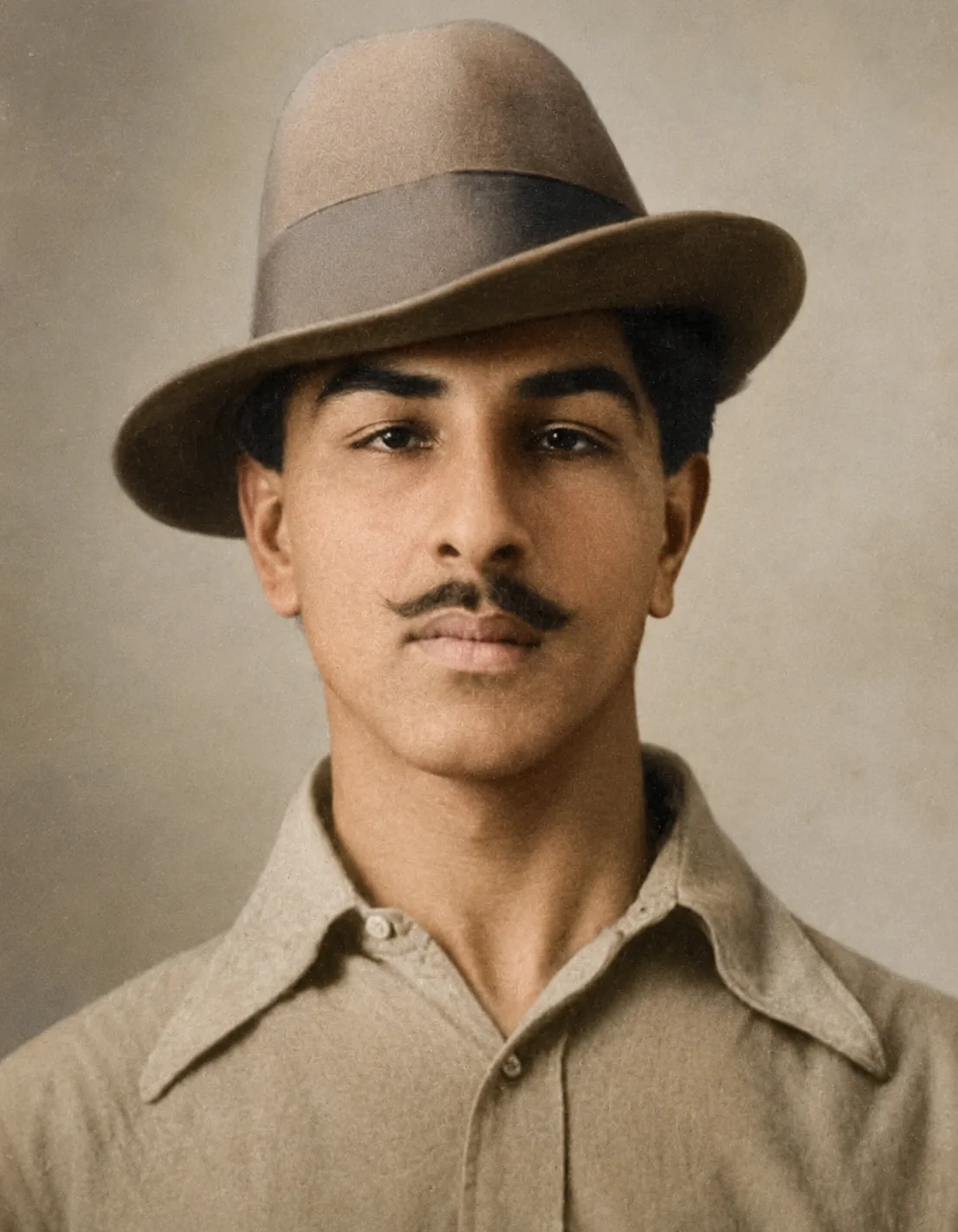
Few figures from the Punjab of the early twentieth century are remembered as vividly as Bhagat Singh. Born into a farming family and dead before his twenty-fourth birthday, he packed an extraordinary amount of action, thought and conviction into a very short life. To many across Punjab and beyond he is not simply a historical name but a living idea: the young man who refused to be afraid. This is the story of how a boy from a quiet village grew into one of the most celebrated heroes of his age.
A Punjabi Childhood
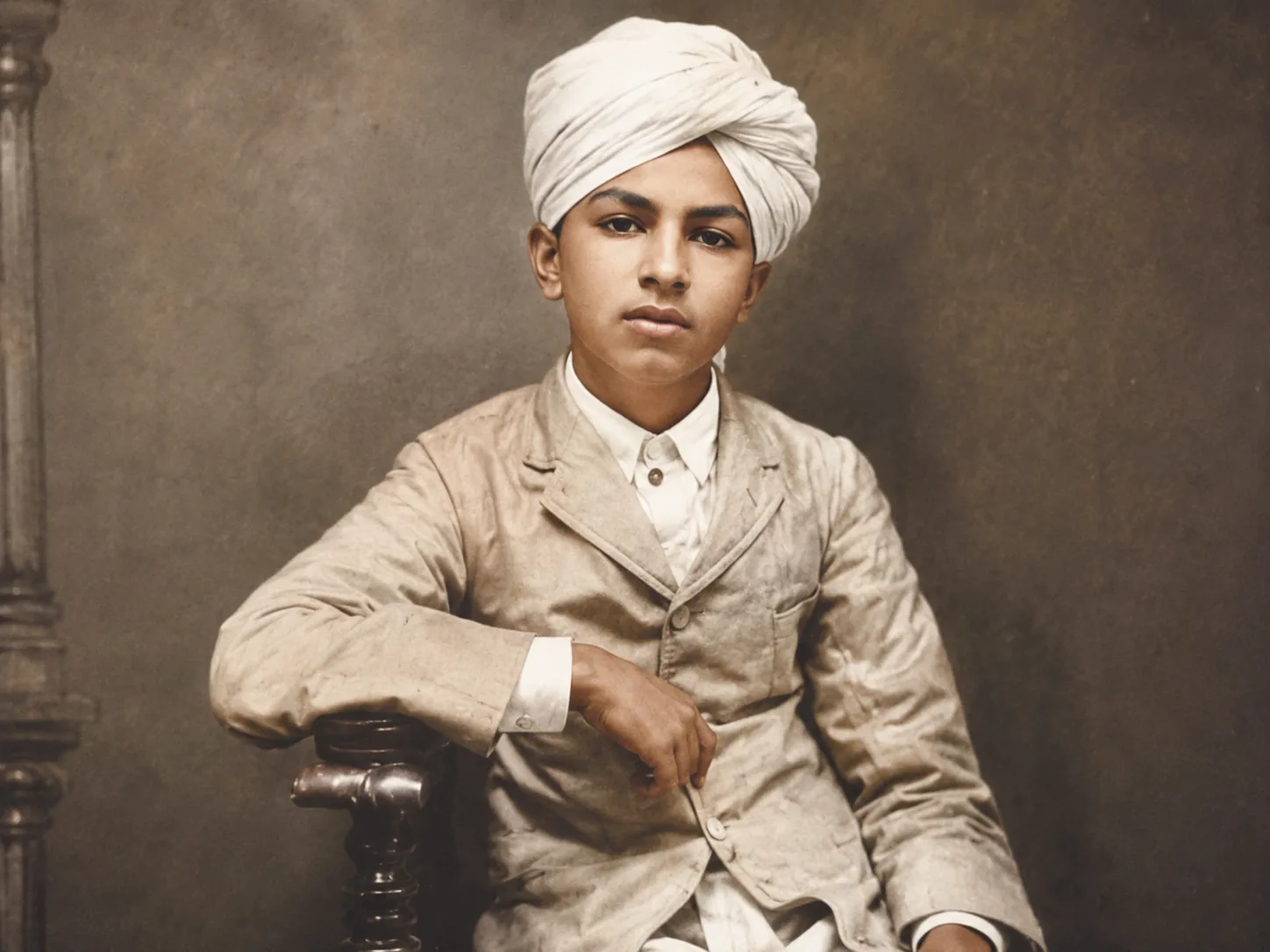
Bhagat Singh was born on 27 September 1907 in the village of Banga, in the Lyallpur district of western Punjab, in a region that is today part of Pakistan. His was a household already steeped in political feeling. His father, Kishan Singh, and his uncle, Ajit Singh, were active in progressive and patriotic causes, and the family had links to the Ghadar movement of overseas Punjabis. Growing up amid such talk, the young Bhagat absorbed a deep sense of injustice at the conditions of his homeland under colonial rule. To understand the world that shaped him, it helps to know the wider story of Punjab itself.
The Shadow of Jallianwala Bagh
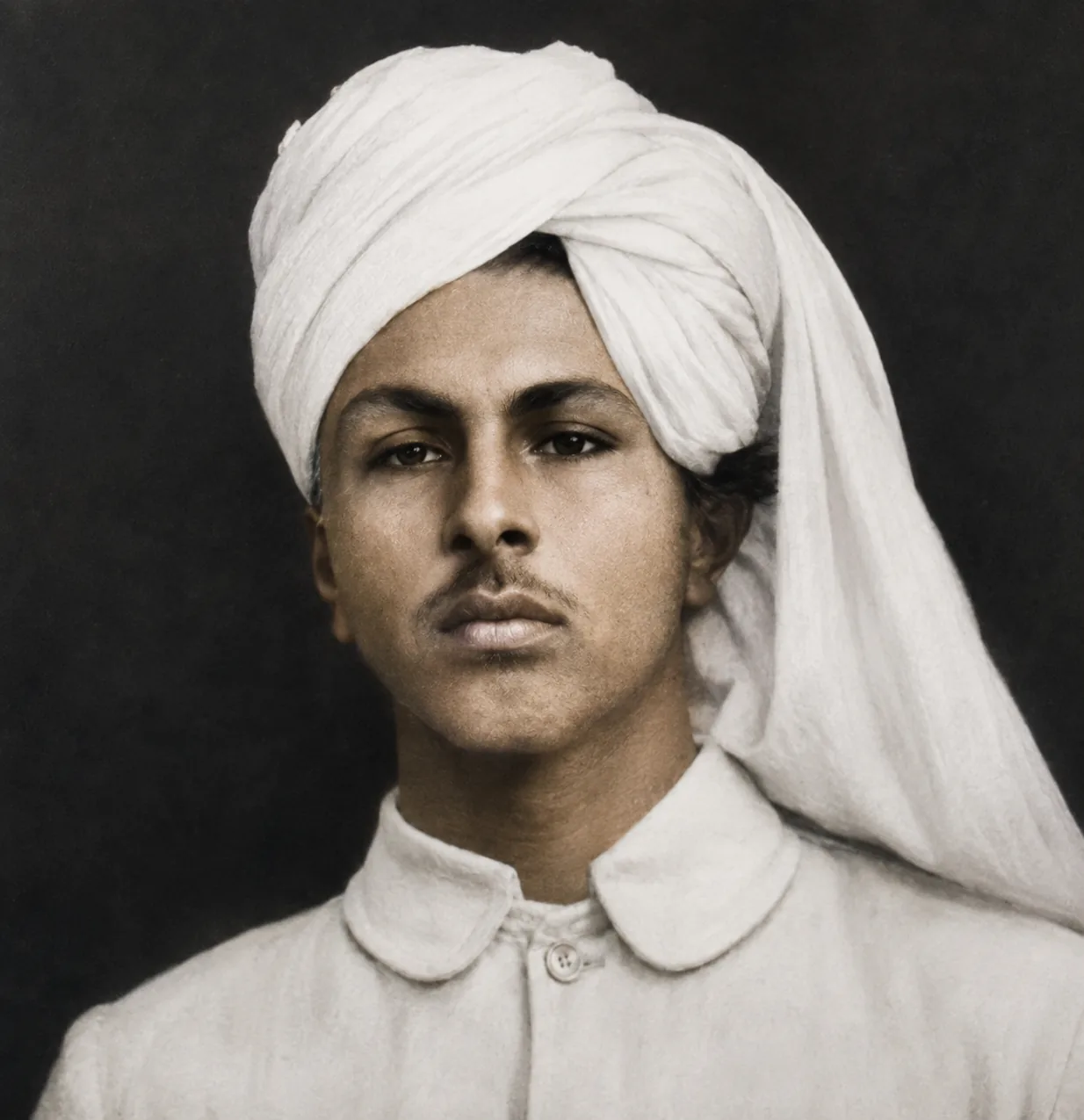
The single event that marked Bhagat Singh most deeply as a boy was the massacre at Jallianwala Bagh in Amritsar in April 1919. He was only eleven years old when troops opened fire on an unarmed crowd, killing and wounding hundreds. The tragedy left a lasting impression on the sensitive child, and stories recount him visiting the bloodstained ground soon afterwards. For his generation of Punjabis, the massacre transformed a vague unease into a settled resolve, and it planted in Bhagat Singh a determination that would shape the rest of his short life.
Socialism and the HSRA
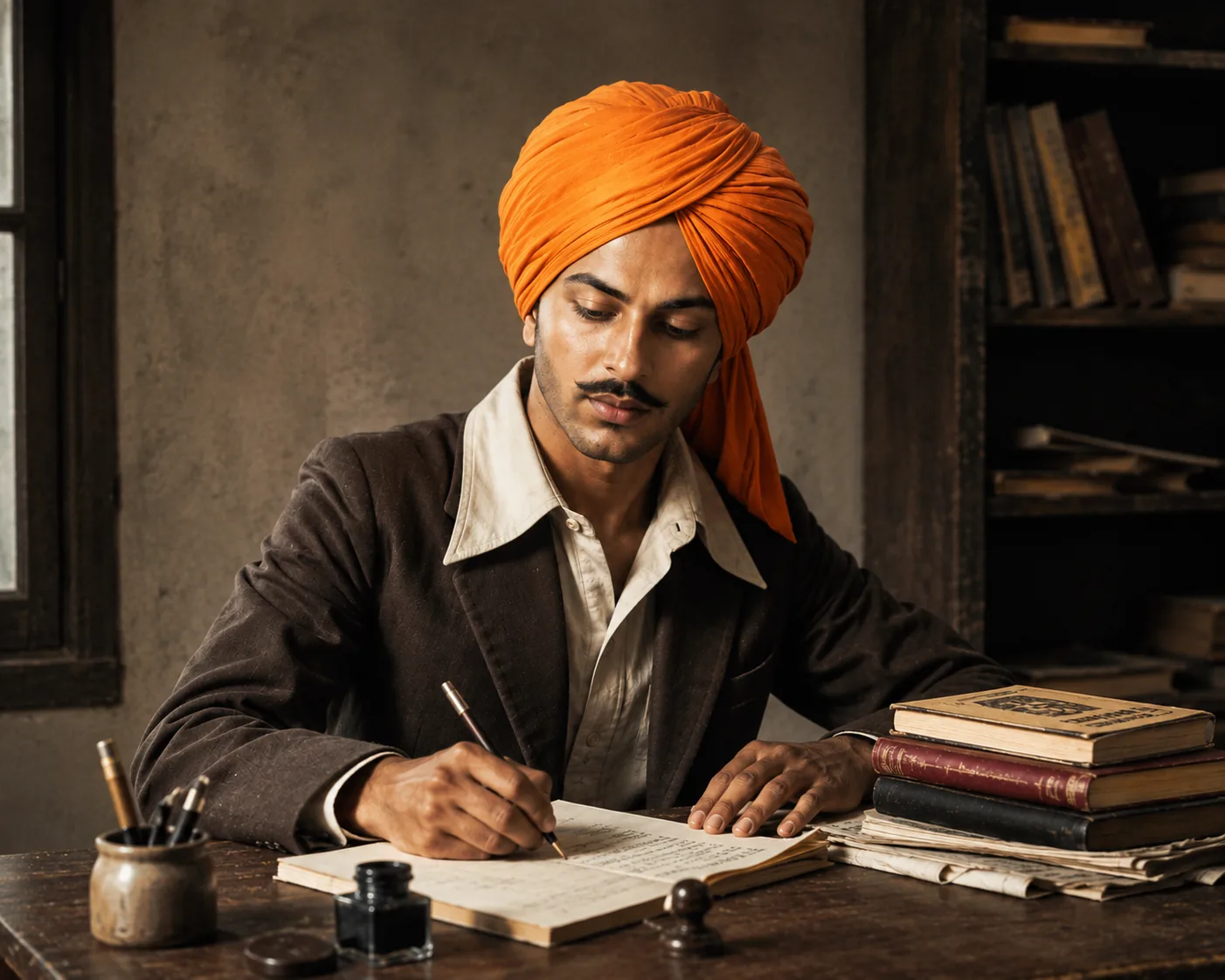
As a young man, Bhagat Singh enrolled at the National College in Lahore in 1923, where he read widely and developed a clear political philosophy. He was drawn to socialist and revolutionary thinkers, among them Marx and Lenin, and came to believe that independence alone was not enough: society itself needed to be rebuilt on fairer foundations. He became a leading member of the Hindustan Socialist Republican Association, or HSRA, which had taken its socialist name in 1928. The cause was no longer only the removal of the British, but the creation of a just society for ordinary working people.
A Death and a Reckoning
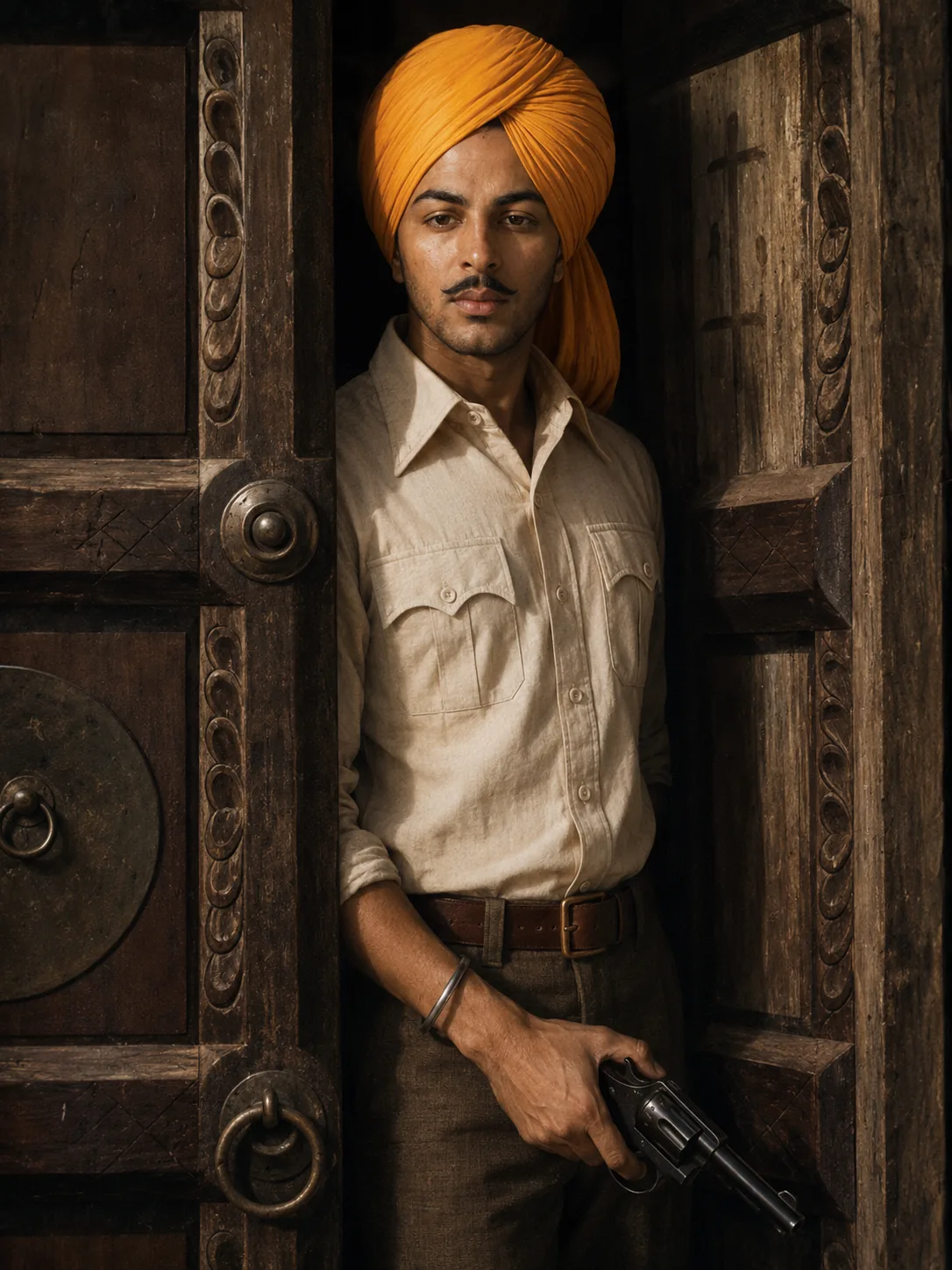
In late 1928 the veteran leader Lala Lajpat Rai was injured during a police action against a peaceful protest in Lahore and died soon after. The revolutionaries held the police responsible. On 17 December 1928, in an act of retaliation, Bhagat Singh and his associate Shivaram Rajguru shot dead a young British police officer named John Saunders. The killing had in fact been a case of mistaken identity, for the intended target was a more senior official. The episode forced Bhagat Singh into hiding and drew him further into the path that would lead to his trial.
The Bomb and the Platform
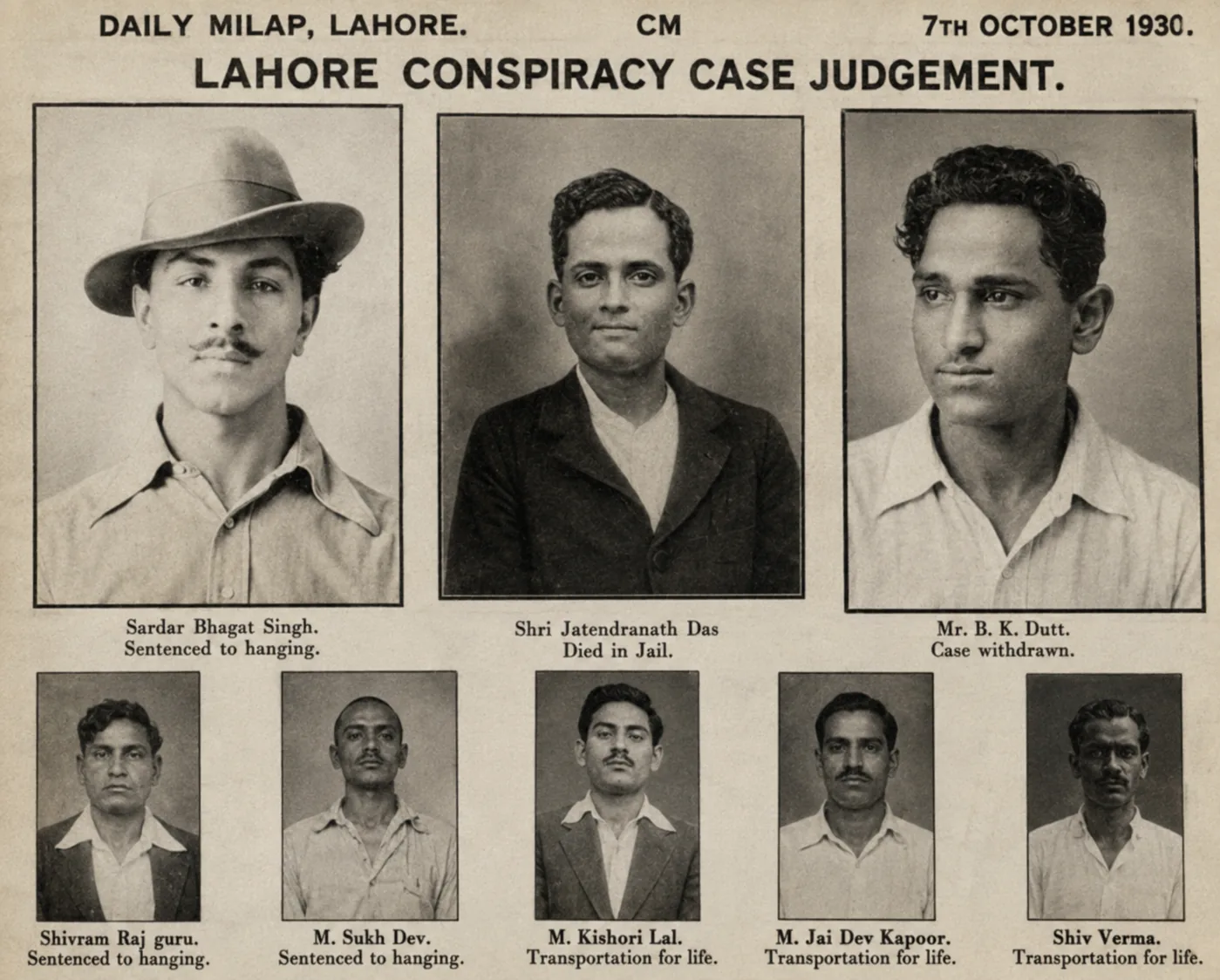
The most famous chapter of his life came on 8 April 1929. Bhagat Singh and Batukeshwar Dutt entered the Central Legislative Assembly in Delhi and threw two low-intensity bombs, deliberately designed to make noise rather than to kill, into an empty part of the chamber. As smoke filled the hall they scattered leaflets and raised the cry of "Inquilab Zindabad", meaning "Long live the revolution". They did not flee but allowed themselves to be arrested. The act was theatre with a purpose: Bhagat Singh wanted a courtroom from which to address the whole country.
"It is easy to kill individuals but you cannot kill the ideas."
Words That Outlived Him
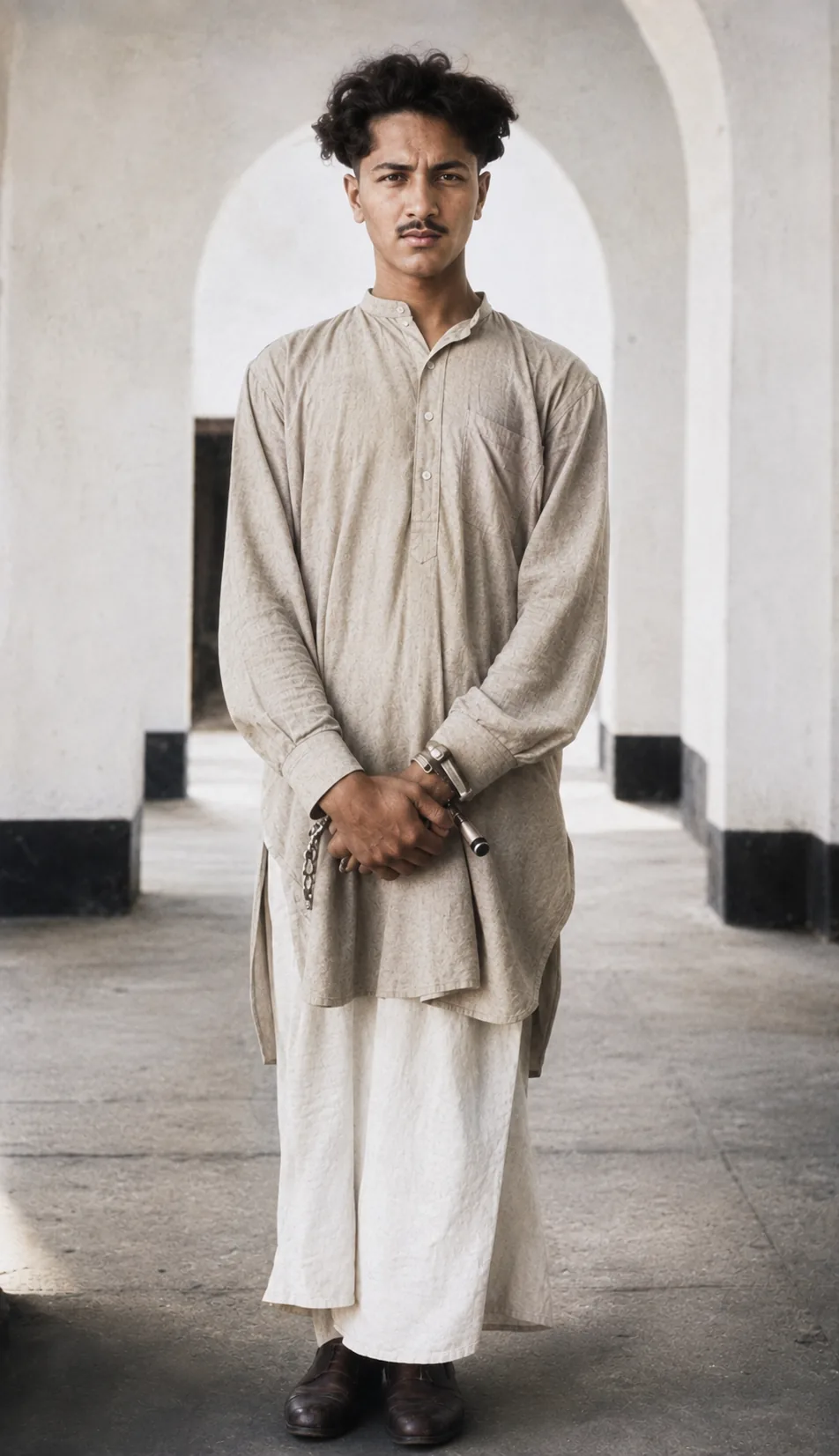
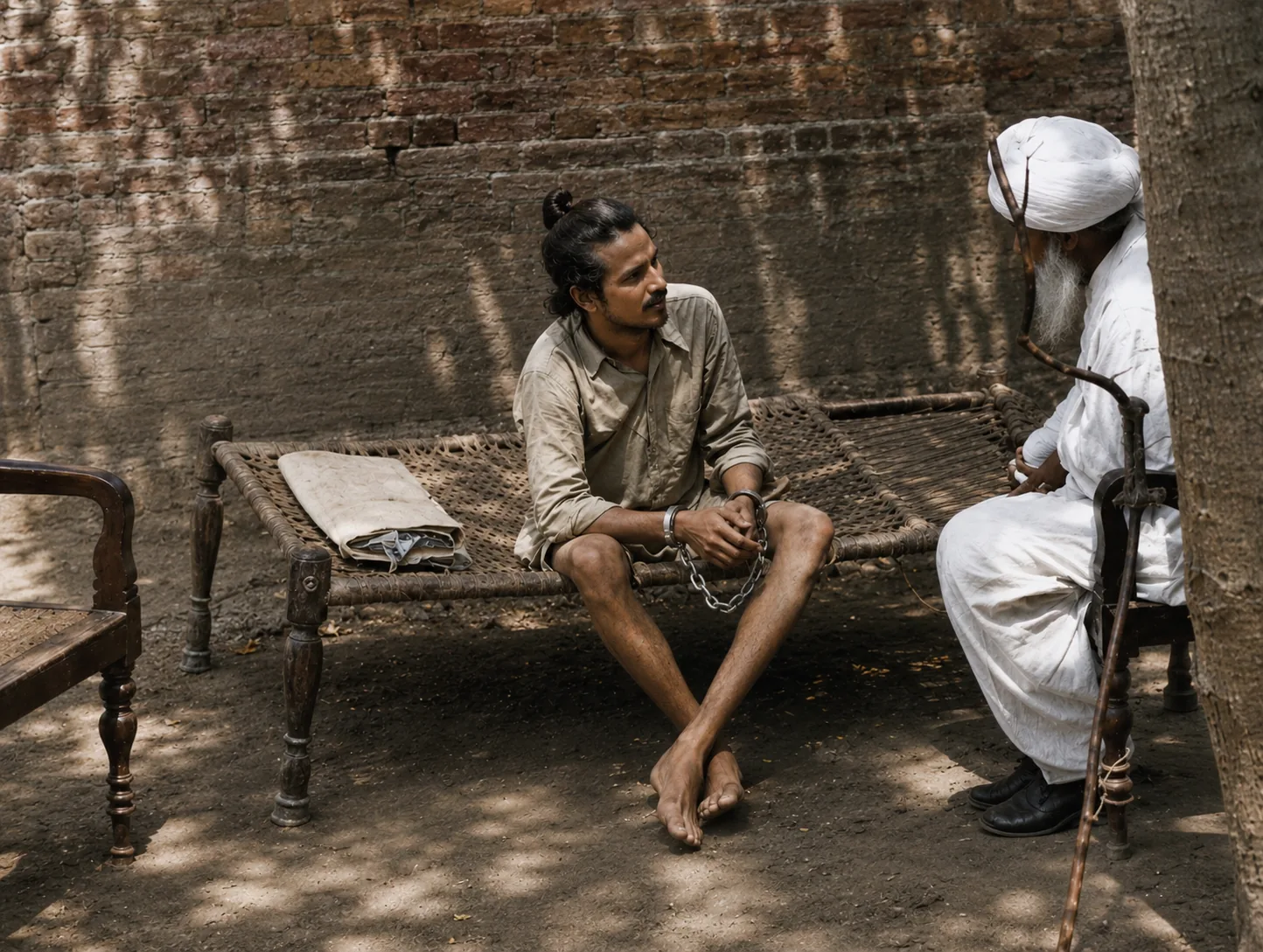
In prison, Bhagat Singh turned his trial and his writing into instruments of his cause. He led a long hunger strike, lasting more than a hundred days, to demand decent treatment for political prisoners, and the protest gripped the public imagination. He also continued to read and write, producing essays that set out his beliefs with striking clarity. The best known of these is his 1931 piece "Why I Am an Atheist", in which he explained his convictions honestly and without bitterness. Through these words a man in a cell reached far beyond its walls.
A Lasting Symbol
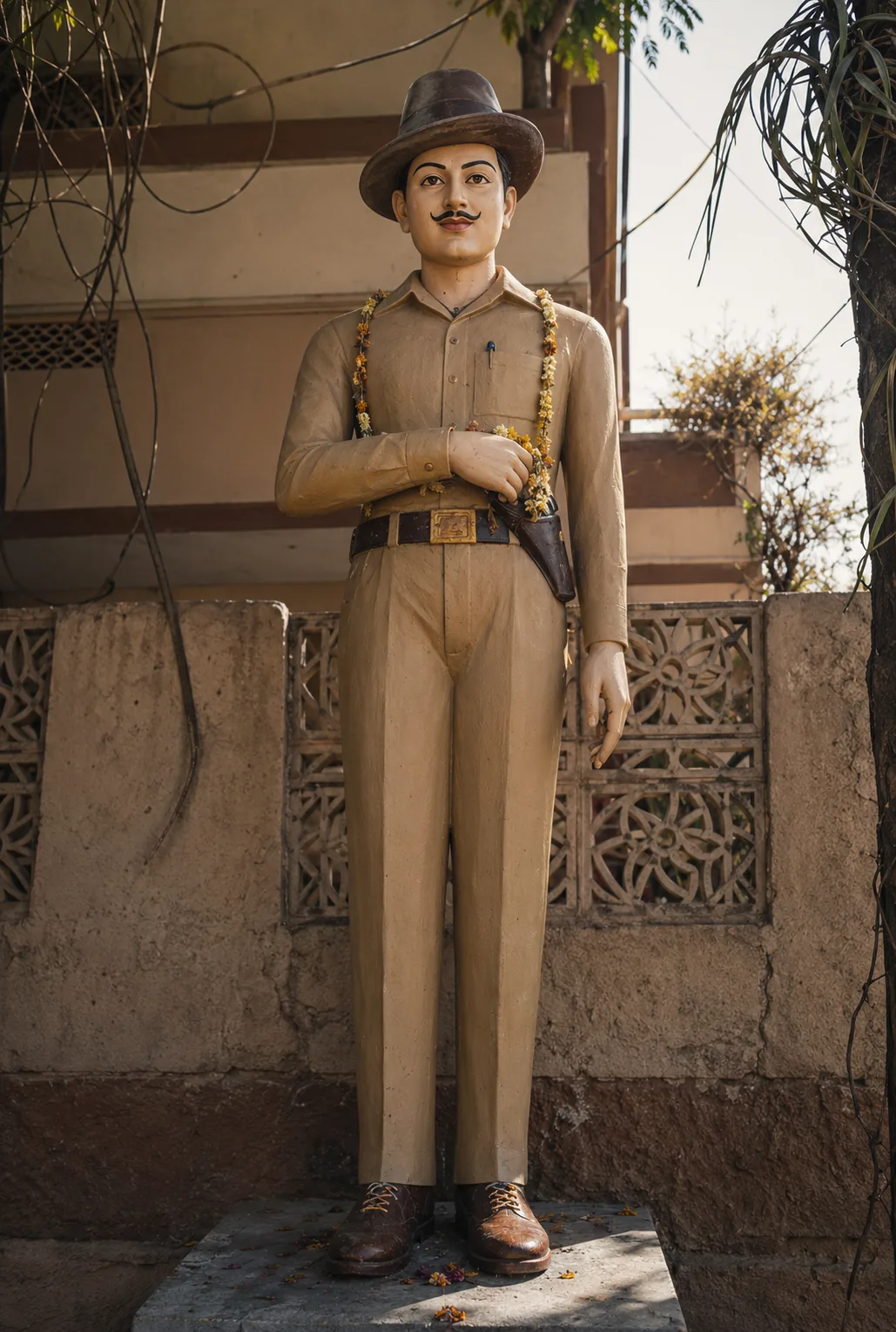
On 23 March 1931, Bhagat Singh was hanged at the Central Jail in Lahore, alongside his comrades Rajguru and Sukhdev. He was only 23 years old. News of the execution spread grief and anger across the country, and the date is still solemnly remembered. The statesman Jawaharlal Nehru once observed that Bhagat Singh "became a symbol; the act was forgotten, the symbol remained". That is perhaps the truest explanation of his enduring place in Punjabi memory. He stands for youthful courage, for conviction held to the very end, and for the idea that one short life, lived with purpose, can echo for generations.