The Partition of 1947
What Happened
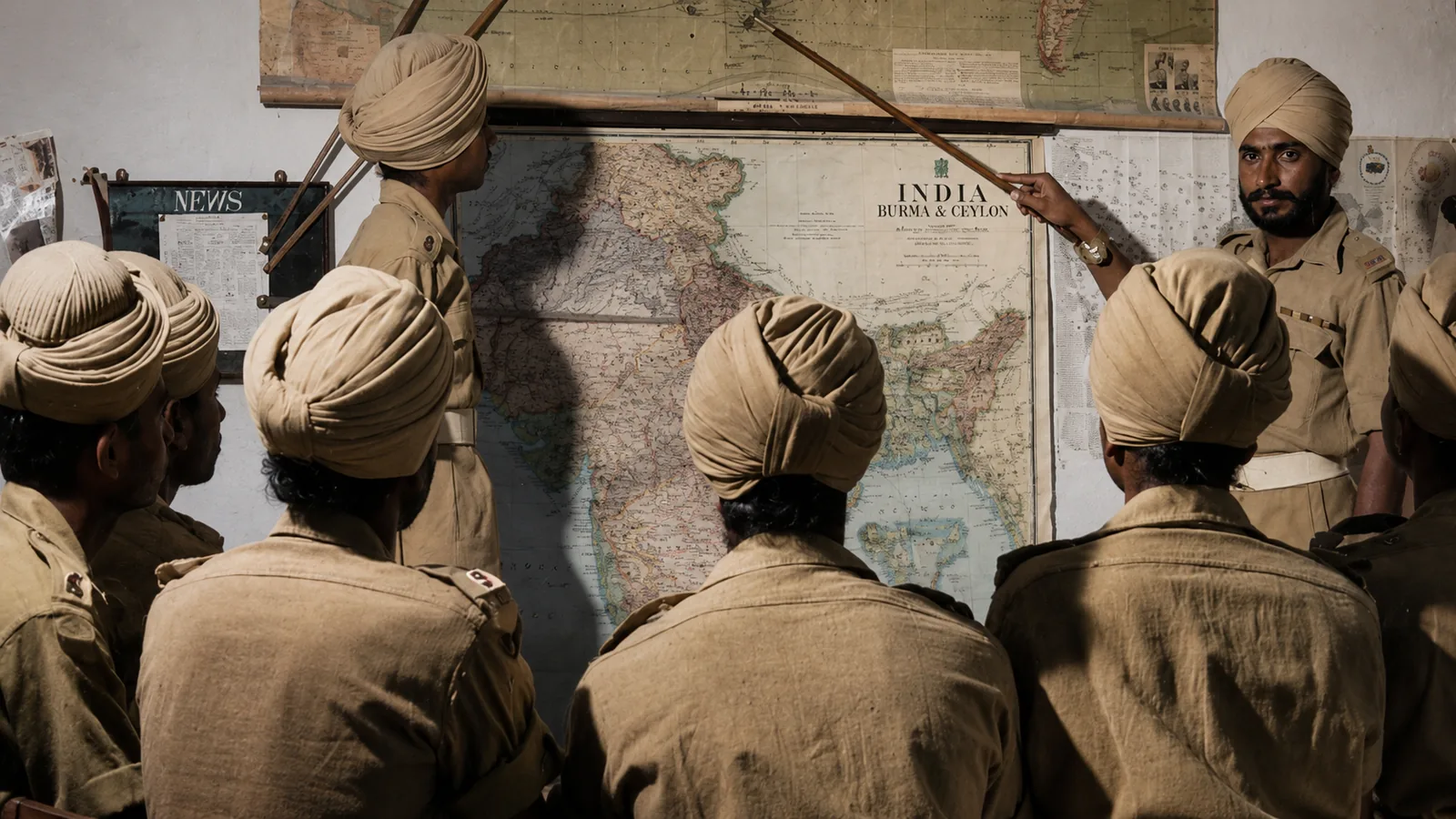
When British India gained independence on August 15, 1947, it was simultaneously divided into two new nations: India and Pakistan. The province of Punjab - a single cultural, linguistic, and agricultural unit - was cut in two by a line drawn by Sir Cyril Radcliffe, a British lawyer who had never visited India before.
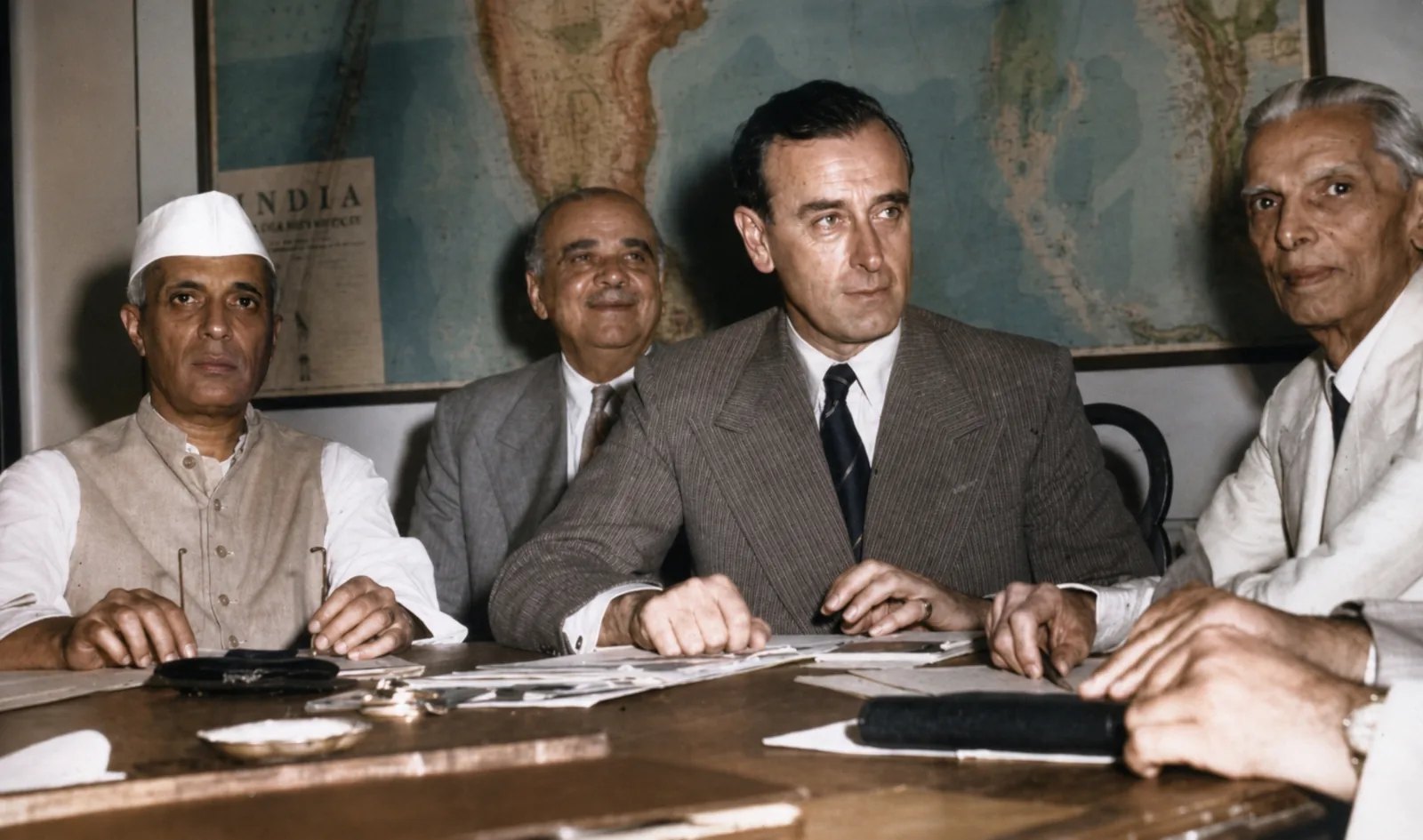
The western half (majority Muslim) went to Pakistan. The eastern half (majority Hindu and Sikh) went to India. The line was drawn in five weeks. It split villages, farms, families, and rivers. Cities like Lahore, which had been home to Sikhs, Hindus, and Muslims for centuries, suddenly belonged to one nation. The announcement came only two days after Independence Day - people did not even know which country they were in until August 17.
The speed was deliberate, and it is the single decision most historians return to. The plan to divide the country was announced on 3 June 1947. Lord Mountbatten, the last Viceroy, brought the date of British withdrawal forward by nearly a year, to August. That left about ten weeks to divide an army, a treasury, a railway system, a civil service and a subcontinent of some 390 million people - and to draw two borders through the two provinces, Punjab and Bengal, where the communities were most thoroughly mixed.
Nobody planned for the movement of people, because officially there was not supposed to be any. The assumption at the top was that minorities would stay where they were and be protected as citizens of whichever new country they woke up in. A Punjab Boundary Force of around 50,000 troops was raised to keep order across an area holding some fourteen million people. It was overwhelmed within days and disbanded on 1 September, barely a fortnight after independence.
The Migration
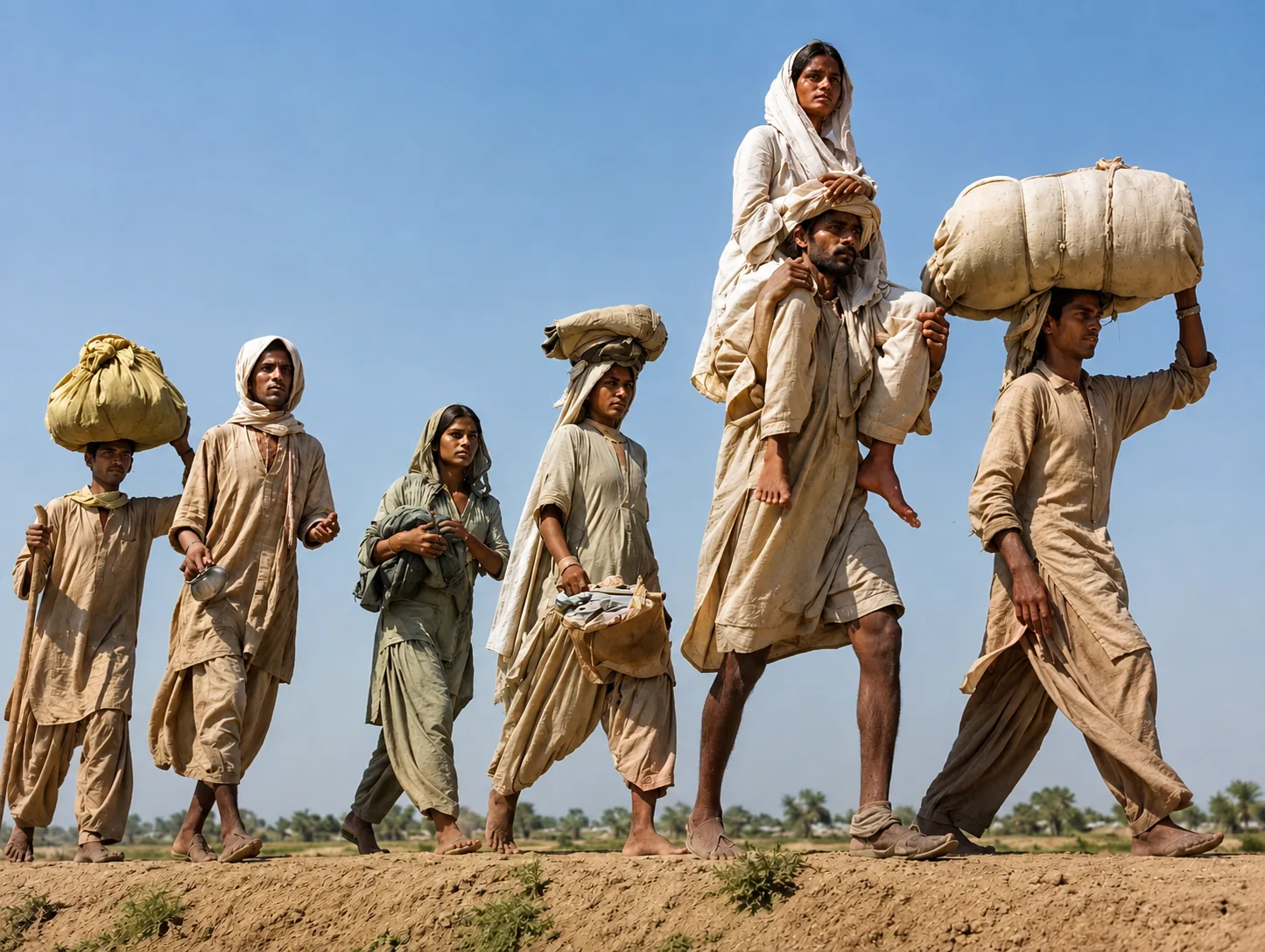
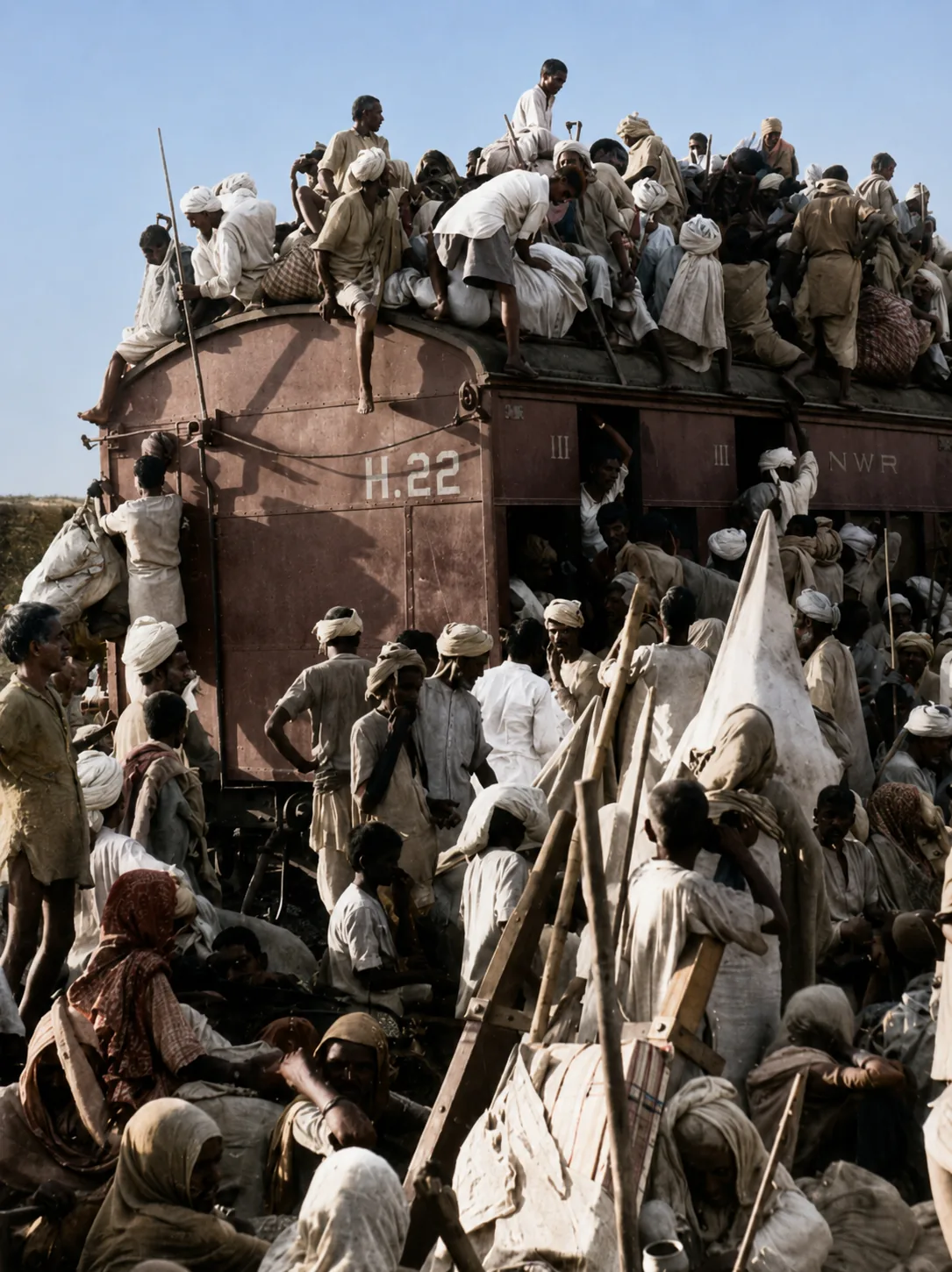
What followed was the largest mass migration in recorded history. An estimated 10 to 20 million people crossed the new border in both directions. Muslims moved west to Pakistan; Hindus and Sikhs moved east to India. Entire villages emptied overnight. Caravans of refugees - on foot, on bullock carts, crammed into trains - stretched for dozens of kilometres.
The violence was catastrophic. Neighbour turned on neighbour. Trains arrived at their destinations full of corpses. Women and girls were abducted, assaulted, and killed on both sides. Estimates of deaths range from 200,000 to 2 million - the true number will never be known. It was not a clean division between two willing populations; it was a rupture imposed on communities that had lived together for generations.
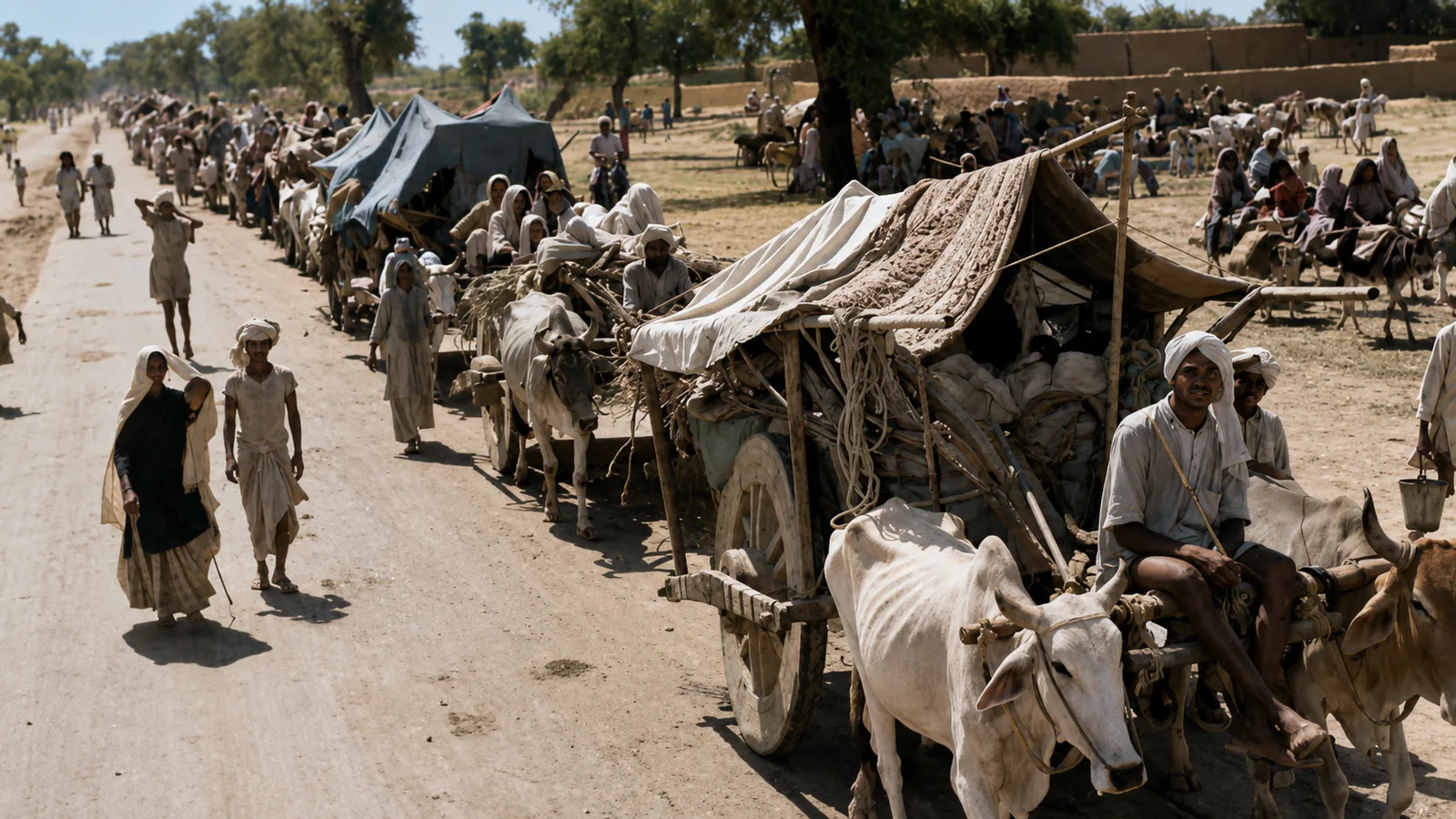
These columns moved at the speed of the slowest ox. They were rained on during the worst monsoon in years, they carried cholera with them, and they were attacked - by organised bands, by neighbouring villages, sometimes by men who had been part of the same community a month earlier. Both directions suffered, and the arithmetic of blame has never been settled, which is part of why the subject is still so raw.
The Trains
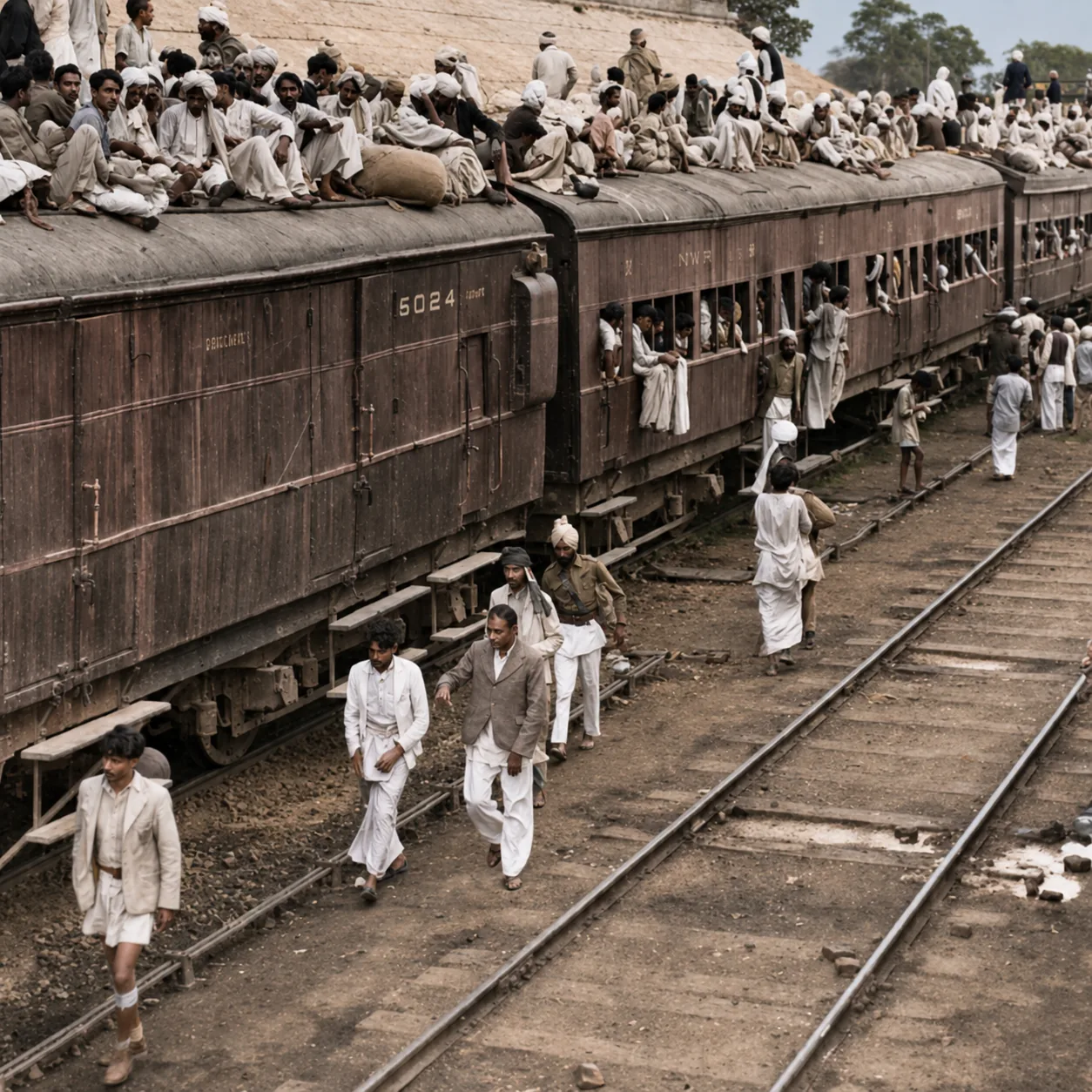
The railway had been the pride of Punjab, and it became the instrument of its worst hours. Trains were the fastest way across, so they were packed past any sane limit - people on the roofs, hanging from the doors, riding the couplings between carriages.
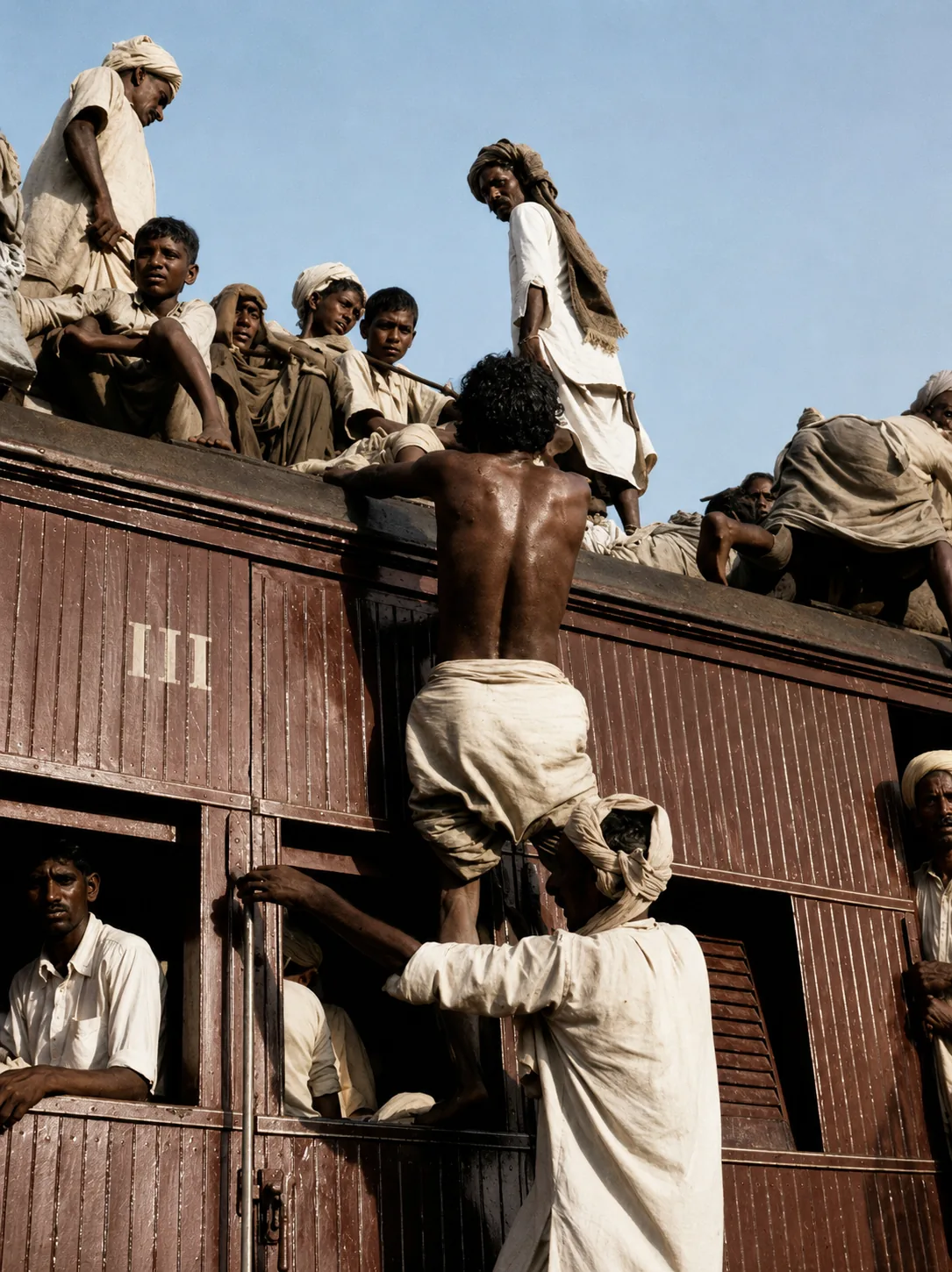
They were also the easiest thing to ambush. A train could be stopped at a signal in open country and everyone aboard killed. Survivors and railway staff called them ghost trains: services that pulled into Lahore or Amritsar on time, with nobody alive on board. Some arrived with messages chalked on the carriages, addressed to the station they were bound for. It is the detail that recurs most often in first-hand accounts, on both sides of the border, and it is why the sound of a train at night still means something particular to that generation.
What Was Done to Women
The part of Partition that took longest to be spoken about is what happened to women, and it deserves more than the single clause it usually receives.
Tens of thousands were abducted - the figures most often cited are around 50,000 Muslim women in India and 33,000 Hindu and Sikh women in Pakistan, and like every number here they are estimates built on incomplete records. Many were forcibly converted and married to their abductors. Others were killed by their own families, or took their own lives, in the belief that death was preferable to capture: there are documented instances of dozens of women of a single village dying together in a well.
India and Pakistan then signed an agreement to find and return them, and passed the Abducted Persons (Recovery and Restoration) Act in 1949. Around 30,000 women were recovered over the following years. But the recovery was carried out on the two states' terms rather than the women's. Some had built new lives and did not wish to move again. Some were returned to families who would not take them back. The historian's phrase for it is that they were recovered twice and consulted never - which is the sharpest single sentence anyone has written about Partition's aftermath.
The Camps
People arriving on the other side did not arrive anywhere in particular. They arrived at camps: at Kurukshetra, which at its peak held around 300,000 people, at Purana Qila in Delhi, at Walton in Lahore, and at dozens of smaller sites that were simply fields with tents.
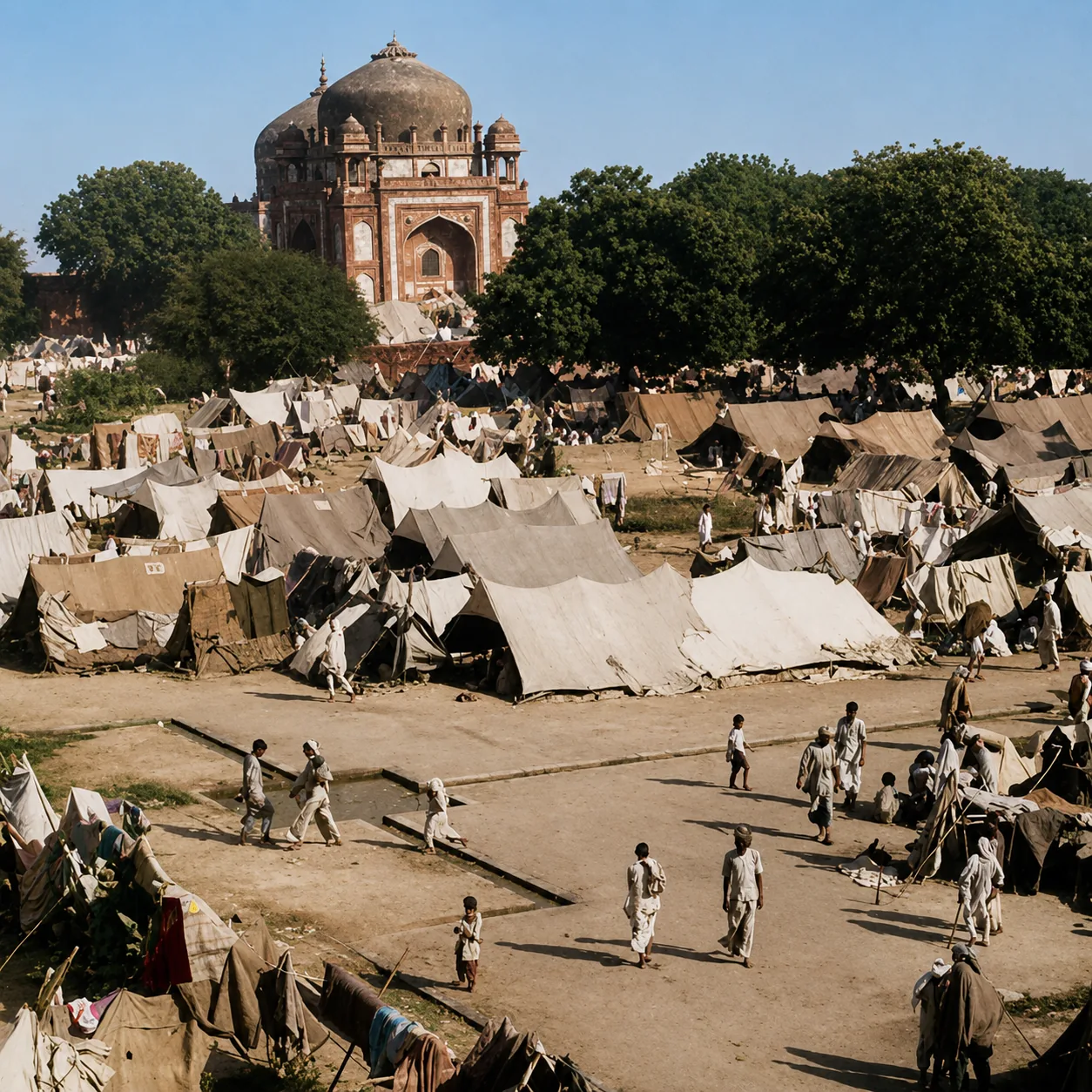
Many stayed for months or years. Whole neighbourhoods of Delhi, Amritsar, Ludhiana, Karachi and Lahore began as refugee colonies and kept the names of the towns their people had left. It is why a Punjabi family in Delhi may still describe itself as being from a place in Pakistan that no member of it has ever seen, and why so much of urban Punjab on both sides was effectively rebuilt by people starting from nothing in their forties.
The Diaspora Connection
Partition is not ancient history for Punjabi families - it is living memory. Most Punjabis in the diaspora, whether in the UK, Canada, the US, or elsewhere, can trace a direct connection to Partition within two or three generations. Grandparents who walked across the border. Family property left behind in Lahore, Lyallpur (now Faisalabad), or Montgomery (now Sahiwal). Stories of neighbours who protected each other - or didn't.
The question "Tuhada pind kithe hai?" (Where is your village?) carries a special weight when the pind no longer exists on your side of the border. Many Punjabis still know the name of their ancestral village in Pakistan, even if they have never visited. In recent years, visa programmes and social media have allowed some families to reconnect across the border - meetings that are almost always emotional.
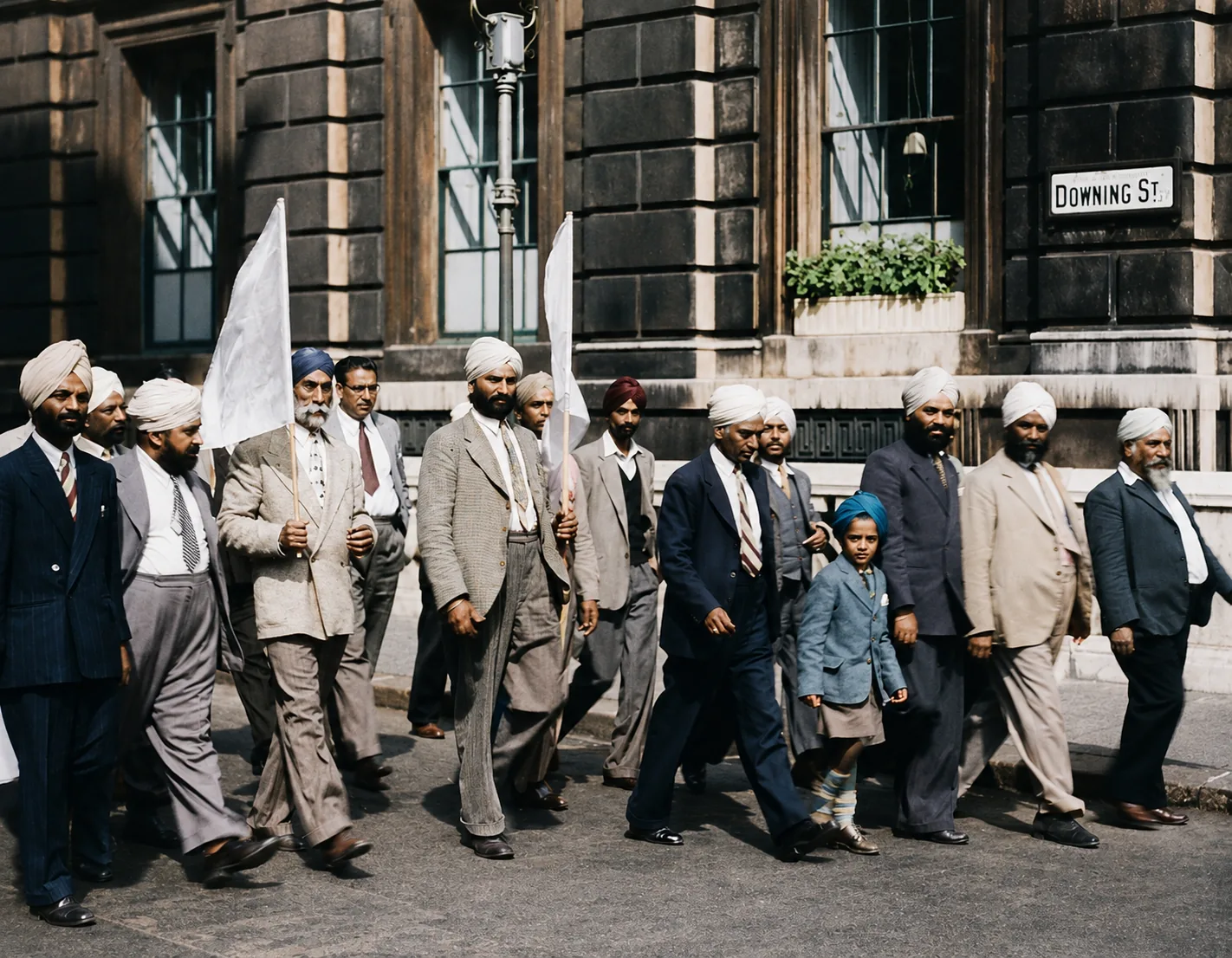
There is a second displacement inside the first, and it is specifically Sikh. The Partition line left the most important sites of the faith on the Pakistani side: Nankana Sahib, where Guru Nanak was born, and Kartarpur Sahib, where he spent his last years. A community that had held those places for four and a half centuries lost daily access to them overnight. For decades, pilgrims at the border could see the Kartarpur gurdwara through binoculars from the Indian side; the corridor that finally let them walk to it opened only in 2019.
Legacy
Partition explains much about Punjabi culture: the fierce attachment to land, the emphasis on community and hospitality, the resilience in the face of displacement, and the emotional intensity around identity and belonging. It also explains why the Punjabi diaspora is one of the most tightly knit in the world - when you have been uprooted once, you hold on harder wherever you land.
The literature and art around Partition is vast: Saadat Hasan Manto's short stories, Amrita Pritam's "Ajj Aakhaan Waris Shah Nu" (a poem addressed to the Sufi poet Waris Shah), Bhisham Sahni's "Tamas," and films like "Pinjar" and "Gadar" all attempt to process a trauma that remains, in many ways, unresolved.
Key Terms
Every published death toll for 1947, the refugee flows in both directions, and the method behind each estimate are set out in Partition in numbers.